Исследуйте самые популярные видео, подведённые итоги
Мгновенные сводки самых популярных материалов

学英语
☞ Please share and like if you enjoyed the video :) thanks so much ♥ ☞ Subscribe for more: https://goo.gl/3qNzzg Learn to speak english, improve your English Vocabulary, Listening, Speaking, More and More... —————————————————————————— Good morning. It`s seven thirty. I`m Gary Fenton. Here is the news. The Prime Minister is in the United States today... ...for talks with the American president at the White House. The talks are very important for British and American... —————————————————————————— ▼ DISCLAIMER ➤ If you wanna use my uploads in your videos/streams, please give a link back to my original video, that's all. ➤ If you have problems about copyright or label and (owners) want to remove this video, please CONTACT US DIRECTLY before doing anything. We will respectfully remove it. Email : services@english7levels.com

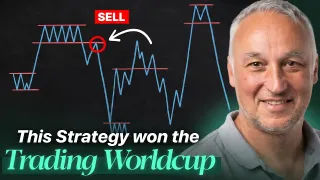
12x CHAMPION Reveals His “3-TOUCH” Strategy That Won Robbins Cup (Step-by-Step)
🚀 Get Funded starting from $9 👉 https://iqcapital.io ▬▬▬▬▬▬▬▬▬▬▬▬▬▬▬▬▬▬▬▬▬▬▬▬▬▬▬▬▬▬▬▬▬▬▬▬ In This Video, 12-Time Trading Champion Patrick Nill breaks down his Strategy Live on a Whiteboard so you can copy it Step by Step. ▬▬▬▬▬▬▬▬▬▬▬▬▬▬▬▬▬▬▬▬▬▬▬▬▬▬▬▬▬▬▬▬▬▬▬▬ 👍 Like this video and share it with any trader who's not sure if their strategy is actually working and comment if you want more internal data studies like this. 🎯 Subscribe & Hit the Notification Bell to Get All Updates: https://www.youtube.com/@IQCapital_io 👉 Join Our Official Discord Community: https://discord.com/invite/iqcapital Visit and follow us on our social media accounts: X (Twitter): https://x.com/IQCapital_io Instagram: https://www.instagram.com/iqcapitalofficial ________________________________________________________________ ▬▬▬▬▬▬▬▬▬▬▬▬▬▬▬▬▬▬▬▬▬▬▬▬▬▬▬▬▬▬▬▬▬▬▬▬ 📌 Risk Disclaimer: IQ Capital provides educational and informational content only and does not offer financial, investment, or trading advice. IQ Capital operates as a proprietary trading firm; traders do not invest their own capital. Trading occurs in simulated evaluation environments or proprietary funded accounts under defined rules and risk limits. Trading leveraged instruments involves substantial risk and may result in the loss of all allocated capital. No strategy, rule set, or evaluation guarantees profitability. Past performance, payouts, and testimonials are not indicative of future results. Examples may reflect hypothetical or simulated performance. Traders act at their own discretion and are solely responsible for trading decisions, risk management, and legal, tax, and regulatory compliance. IQ Capital assumes no liability for losses arising from the use of its content or services.
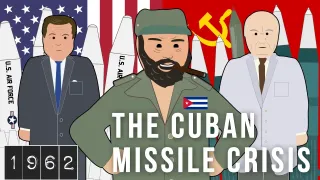
The Cuban Missile Crisis (1962)
The Cuban missile crisis was the moment during the Cold War when the two superpowers: the United States and the Soviet Union came close to nuclear war. Secret communications and miscommunications which played out between the White House and the Kremlin made the crisis a unique event. Support the cartoons on Patreon: https://www.patreon.com/simplehistory Get your copy of Simple History: The Cold War: https://www.amazon.com/Simple-History-Cold-Daniel-Turner/dp/153703619X/ Simple history gives you the facts, simple! See the book collection here: Amazon USA https://www.amazon.com/Daniel-Turner/e/B00H5TYLAE/ Amazon UK http://www.amazon.co.uk/Daniel-Turner-%60/e/B00H5TYLAE/ http://www.simplehistory.co.uk Facebook: https://www.amazon.co.uk/Simple-History-Vietnam-Daniel-Turner/dp/1515090760/ Twitter: https://twitter.com/simple_guides Credit: Narrator: Cougar MacDowall Artwork: Daniel turner Direction, Animation: Daniel Turner Music: Oppressive Gloom Kevin MacLeod (incompetech.com) Licensed under Creative Commons: By Attribution 3.0 License http://creativecommons.org/licenses/by/3.0/
Oppenheimer's Warning | Will nuclear war ever happen?
Discover what Oppenheimer really feared—and why his warning still matters today. Watch now to understand the real risks and safeguards. Click to explore!
Andrew Tate Drops FINAL Bomb on Trump
Click below for premium Adam Mockler content: 👉 https://adammockler.com/subscribe 👉 https://www.youtube.com/@adammockler/join Adam Mockler breaks down Andrew Tate and his lawyers increasing desperation. JOIN THE COMMUNITY: Reddit: https://www.reddit.com/r/AdamMockler/ Discord: https://discord.gg/y9yzMU3Gff Instagram: https://www.instagram.com/adammockler/ Bluesky: https://bsky.app/profile/adammockler.com/ Twitter: https://x.com/adammocklerr/ TikTok: https://www.tiktok.com/@adammockler Contact: contact@mocklermedia.com Business inquiries: adammocklerteam@unitedtalent.com Adam Mockler - Mockler Media LLC
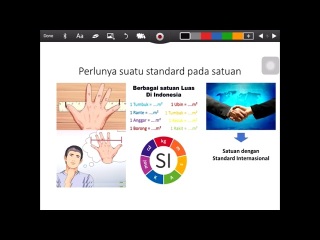
Dasar pengukuran bagian I
Pahami besaran pokok/turunan, konversi satuan rantai & notasi ilmiah! Kuasai dasar pengukuran fisika untuk akurasi ilmiah & kehidupan sehari-hari — tonton sekarang!
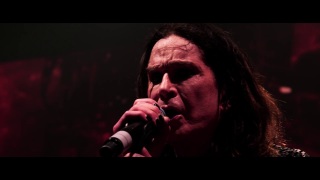
BLACK SABBATH - "War Pigs" from 'The End' (Live Video)
Experience Black Sabbath’s legendary live performance of “War Pigs” from their historic 2017 farewell concert *The End*. Raw, powerful, and iconic—watch the masters close the chapter. Click to relive the magic!
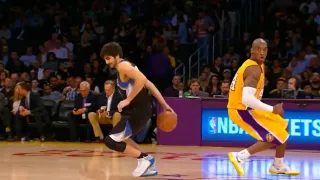
The COLDEST Freestyle Dribble Skills in NBA
The COLDEST freestyle dribble skills in NBA! This video breaks down the smoothest, craziest and most creative handles ever seen on the court. Featuring players like Ricky Rubio, Kyrie Irving, James Harden and many more! Instagram: ► https://www.instagram.com/issasprt Main channel: ► https://www.youtube.com/c/Hicko #nba #basketball NBA video clips used in content on this channel are licensed through a partnership with NBA Playmakers.
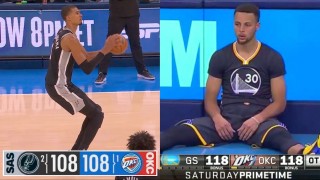
NBA "Deja Vu" MOMENTS
NBA "Deja Vu" MOMENTS includes Victor Wembanyama, Stephen Curry, LeBron James, Kyrie Irving, Luka Doncic, DeMar DeRozan, Kawhi Leonard and many more NBA Superstar! Social Media Instragram: kingswishig Twitter: iamkingswish Snapchat iamkingswish NBA video clips used in content on this channel are licensed through partnership with NBA Playmakers.
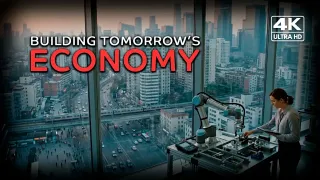
The Economy of Tomorrow | The Future of Work | 4K
The future is unfolding at an unprecedented pace, bringing both extraordinary challenges and unique opportunities. In "The Economy of Tomorrow," we examine the sweeping changes driven by Artificial Intelligence, the rise of megacities, and the essential quest to close the gender gap. Featuring expert commentary from renowned voices like Jeremy Kahn, Martin Ford, and Alessandra Orofino, this documentary addresses the critical questions of our time: How will AI transform healthcare and the workforce? What economic power lies within global megacities such as Rio and Lagos? Why is breaking the glass ceiling crucial for worldwide prosperity? Join us on an illuminating journey into the future that we are actively shaping. The Economy of Tomorrow (2016) Stars: Dafydd Rees, Alastair Bates Genres: Documentary, News Synopsis: 0:00 March of the Machines: This segment explores the revolutionary impact of AI on society. Insights are provided by Jeremy Kahn (Bloomberg Tech Reporter), Mike McDonough (Global Chief Economist at Bloomberg Intelligence), and Gideon Mann (Head of Data Science at Bloomberg). The segment also features Martin Ford, author of Rise of the Robots, and examines AI’s imminent influence on healthcare. 23:16 Growing Pains: This section investigates how the economic potential of megacities can be harnessed. Experts from Bloomberg, including James Hertling (Bloomberg News) and Mike McDonough, discuss the opportunities and challenges. Urban activist Alessandra Orofino highlights Rio de Janeiro, Brazil, while the episode also looks at Lagos, Nigeria, showcasing the floating village of Makoko and the ambitious EkoAtlantic development. 45:45 Smashing the Glass Ceiling: In this segment, the documentary explores the barriers women face in closing the professional gender gap and the importance of achieving equality for global progress. .................................................................. ► All Playlists: https://bit.ly/3zSmUis #documentary #technology #knowledgeispower .................................................................. COPYRIGHT: All of the films published by us are legally licensed. We have acquired the rights (at least for specific territories) from the rightholders by contract. Plot11 Publishing GmbH.
How To Grow An Audience If You Have 0 Followers (It's Only 2 Habits)
Eden V2 – find, save, and reverse-engineer viral content: https://eden.so The youtube swipe file board: https://app.eden.so/w/dan-s-workspace/spaces/28419814-17e3-429d-a918-7ecfbb313150 My weekly writing on the mind, the internet, and the future: https://letters.thedankoe.com If you'd rather listen to these videos on Spotify: https://open.spotify.com/show/3lZRG3LCFZxKkQVSsCwoyN ––– My Books ––– The Art of Focus: https://theartoffocusbook.com Purpose & Profit: https://thedankoe.com/purpose ––– Socials ––– Twitter: https://twitter.com/thedankoe Instagram: https://instagram.com/thedankoe YouTube: https://youtube.com/c/DanKoeTalks LinkedIn: https://linkedin.com/in/thedankoe ––– Chapters ––– 0:00 Growing on social media is easy 7:57 Do what works, from your own perspective 18:32 The new Eden (and why we had to change) 21:03 You’re going to hate this word, but... networking 28:25 Find someone you WANT to DM 30:18 Send them simple praise 32:32 Show interest in them 33:04 Show you are useful 34:25 Get on a call to make a deeper connection 35:12 Send more resources as they come up 36:08 If you haven’t already, ask #socialmediagrowth #onepersonbusiness
5 Practical Ways to Take Control of Your Life | Jim VandeHei | TED
You can't control the world — but you can control you. That's the mantra that took Axios CEO Jim VandeHei, a once "unremarkably unremarkable 20-year-old," all the way to launching companies and interviewing presidents. He breaks down a career's worth of observations into five deceptively simple things you can control, and explores why mastering them can change the trajectory of your life. (Recorded at TEDNext 2025 on November 11, 2025) Join us in person at a TED conference: https://tedtalks.social/events Become a TED Member to support our mission: https://ted.com/membership Subscribe to a TED newsletter: https://ted.com/newsletters Follow TED! Instagram: https://www.instagram.com/ted LinkedIn: https://www.linkedin.com/company/ted-conferences TikTok: https://www.tiktok.com/@tedtoks Facebook: https://facebook.com/TED X: https://www.twitter.com/TEDTalks The TED Talks channel features the best talks and performances from the TED Conference, where the world's leading thinkers and doers give the talk of their lives in 18 minutes (or less) — plus originals, podcasts and exclusive content. Look for videos on Technology, Entertainment and Design as well as science, business, global issues, the arts and more. Visit https://TED.com for our entire library, transcripts, translations and personalized recommendations. Watch more: https://go.ted.com/jimvandehei26 https://youtu.be/a4sq1CKPl0E TED videos may be used for non-commercial purposes under a Creative Commons License, Attribution–Non Commercial–No Derivatives (or the CC BY – NC – ND 4.0 International) and in accordance with the TED Talks Usage Policy: https://www.ted.com/about/our-organization/our-policies-terms/ted-talks-usage-policy. For more information on using TED for commercial purposes (e.g. employee learning, in a film or online course), submit a request at https://media-requests.ted.com #TED #TEDTalks #PersonalGrowth

FISIOLOGÍA: POTENCIALES DE MEMBRANA Y POTENCIALES DE ACCIÓN / E3 / FASES DEL POTENCIAL ACCIÓN
Video correspondiente a la tercera parte de la serie de vídeos de POTENCIALES DE MEMBRANA Y POTENCIALES DE ACCIÓN, mediante el cual se busca dar respuesta a las siguientes preguntas: 1. ¿CUÁL ES EL POTENCIAL DE ACCIÓN DE LAS NEURONAS? 2. ¿CÚALES SON LAS FASES DEL POTENCIAL DE ACCIÓN DE LAS NEURONAS? Bibliografía: 1. Hall, J. E., & Guyton, A. C. (2016). Guyton & Hall, Tratado de Fisiología Médica (13a. ed.). España: Elsevier. 2. Hammer, G.D., & McPhee, S.J. (2019). Fisiopatología de la Enfermedad. Una Introducción a la Medicina Clínica (8va. ed.). México: McGraw-Hill.